
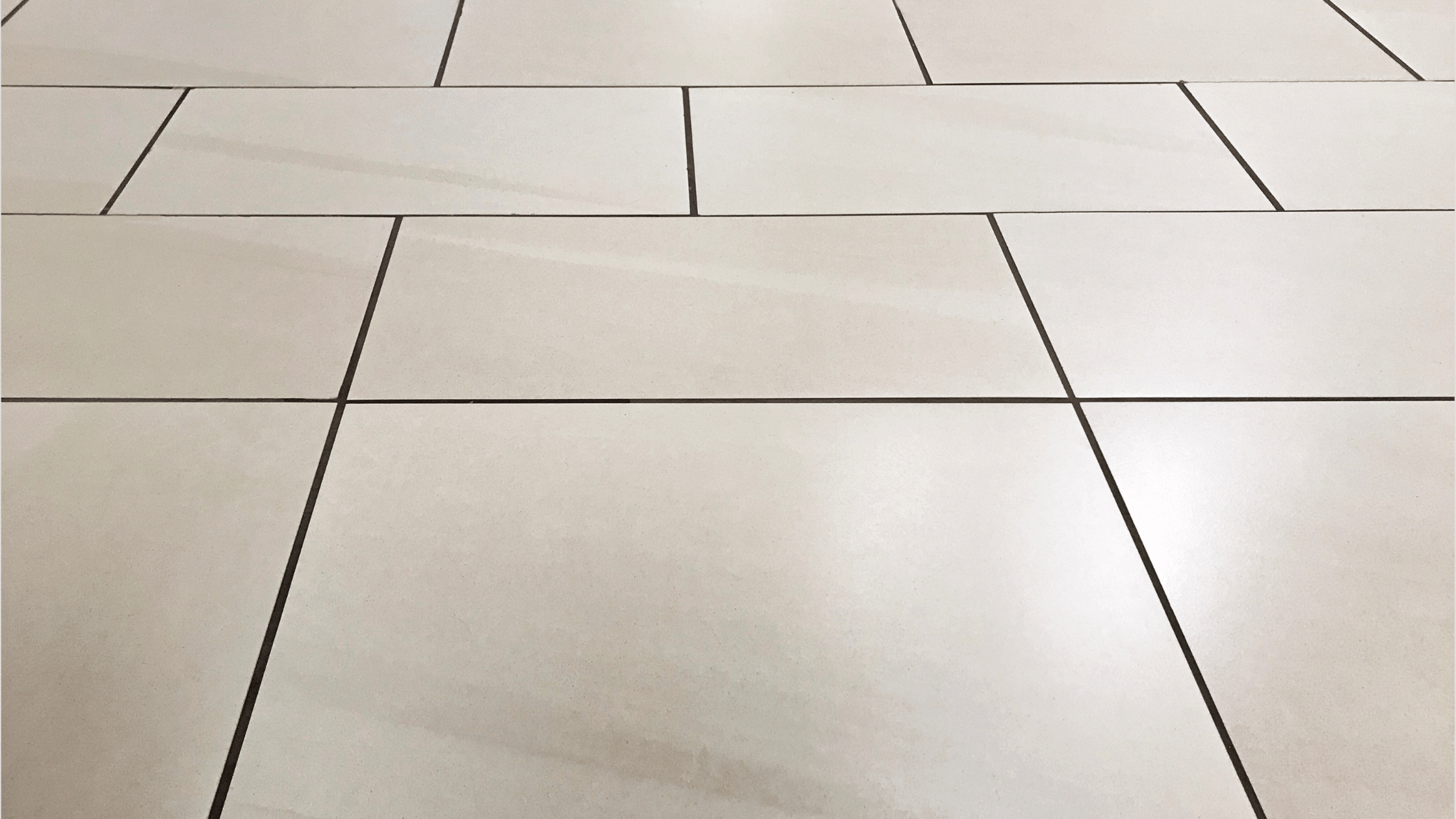
Introduction: More Than Just a Surface
Choosing floor tiles may seem like a straightforward decision—until you walk into a tile store or scroll through an online catalog and are met with hundreds of options. From textures and sizes to materials and finishes, floor tiles are not just about looks—they define the mood, function, and durability of your space.
Whether you’re renovating your home or building a new one, the right floor tiles can elevate comfort, improve maintenance, and even boost resale value. But making the wrong choice? That can result in frequent repairs, mismatched aesthetics, and slippery surfaces.
This guide will help you navigate the essentials of picking the perfect floor tiles for every room in your home. Let’s break down what every homeowner should know before making this foundational choice.
1. Understand the Different Types of Floor Tiles
Each type of tile material comes with its own pros and cons in terms of durability, cost, and aesthetics. Here are the most common types:
Ceramic Tiles
- Best for: Living rooms, bedrooms, and walls
- Pros: Affordable, available in many styles, easy to clean
- Cons: Less durable than porcelain, not suitable for heavy foot traffic
Porcelain Tiles
- Best for: Kitchens, bathrooms, high-traffic areas
- Pros: Highly durable, water-resistant, low maintenance
- Cons: Slightly more expensive and harder to cut
Natural Stone Tiles (Marble, Granite, Slate, Travertine)
- Best for: Luxury spaces, feature floors, upscale bathrooms
- Pros: Unique look, adds value, long lifespan
- Cons: Expensive, requires sealing and maintenance
Vinyl and SPC Tiles (Stone Polymer Composite)
- Best for: Bedrooms, condos, rental units
- Pros: Soft underfoot, budget-friendly, easy to install
- Cons: Less resistant to scratches and fading over time
2. Match Tiles to Room Function
Different rooms have different flooring needs. Always consider the functionality of the space when choosing tiles.
Living Room
- Choose: Large-format porcelain or ceramic tiles
- Consider: Matte or semi-polished finish for a warm, inviting look
Kitchen
- Choose: Slip-resistant porcelain or stone tiles
- Consider: Stain resistance and ease of cleaning
Bathroom
- Choose: Non-slip textured tiles or mosaic tiles for wet zones
- Consider: Water resistance, grout quality, and drainage slope
Bedroom
- Choose: Matte ceramic or wood-look tiles for a cozy feel
- Consider: Under-tile insulation for warmth and soundproofing
Outdoor Areas
- Choose: Outdoor-grade porcelain or textured stone
- Consider: UV resistance, anti-slip rating, and frost resistance (for cooler climates)
3. Choose the Right Tile Size and Layout
Tile Size
- Small Tiles (10×10 cm, mosaics) – Great for bathrooms and curved surfaces
- Medium Tiles (30×30 cm, 60×60 cm) – Versatile for most spaces
- Large Tiles (80×80 cm, 60×120 cm, slabs) – Ideal for open-plan rooms, create a modern and seamless look
Larger tiles make rooms feel bigger and reduce grout lines, but they require a level subfloor and professional installation.
Layout Patterns
- Straight lay – Classic and simple
- Diagonal – Adds movement and makes rooms appear wider
- Herringbone or Chevron – Stylish, especially for wood-look tiles
- Running bond (brick pattern) – Traditional and easy to install
Pro tip: Use tile layout visualizer tools online to preview designs before buying.
4. Understand Surface Finishes and Their Effects
The tile’s finish affects not just appearance but slip resistance, maintenance, and light reflection.
Common Finishes:
- Glossy – Reflects light, ideal for walls and feature floors; can be slippery when wet
- Matte – Non-reflective, ideal for high-traffic areas and minimalist designs
- Textured or Anti-Slip – Best for bathrooms, outdoor areas, or homes with kids and elderly
- Lapatto (semi-polished) – A middle ground between matte and glossy
Always check the R-rating (slip resistance rating) if you’re buying tiles for wet zones.
5. Pay Attention to Color and Tone
Color affects how your space feels. While neutral tones are always a safe choice, bold colors can create stunning effects when used wisely.
Tips:
- Light-colored tiles (white, beige, light gray): Make small rooms feel larger and airier
- Dark tiles (charcoal, walnut, black): Add elegance and conceal dirt but may shrink visual space
- Wood-look or stone-look tiles: Offer warmth without sacrificing durability
Also, check for color consistency (shading or batch number) to ensure all your tiles match perfectly. Ask for “same lot” when buying in bulk.
6. Don’t Forget About Grout
Grout may seem minor, but it significantly impacts the look and maintenance of your floor.
Considerations:
- Grout color – Contrasting grout makes patterns pop; matching grout creates a seamless effect
- Grout width – Narrow joints (1–2mm) look modern but require precision; wider joints are forgiving and traditional
- Grout type – Epoxy grout resists stains and mold better than cement grout
Invest in a quality sealer for natural stone and grout to extend the life of your floor.
7. Set a Budget—But Think Long-Term
Flooring is a long-term investment. While you may be tempted by lower-priced tiles, remember to factor in:
- Installation costs (larger or patterned tiles cost more to lay)
- Wastage (always order 5–10% extra for cuts and future repairs)
- Maintenance and cleaning requirements
- Longevity of the material under your lifestyle conditions
Sometimes, spending a little more upfront saves money down the road.
Conclusion: Build Your Foundation Wisely
Choosing the perfect floor tiles for your home is about more than just aesthetics—it’s about balancing design, function, safety, and cost. With the right planning and product knowledge, you can create spaces that are not only beautiful but also durable and comfortable for years to come.
From glossy living room tiles to slip-resistant bathroom floors, each decision matters. Take your time, consult professionals when needed, and always visualize how the tile will look and perform in your unique home environment.